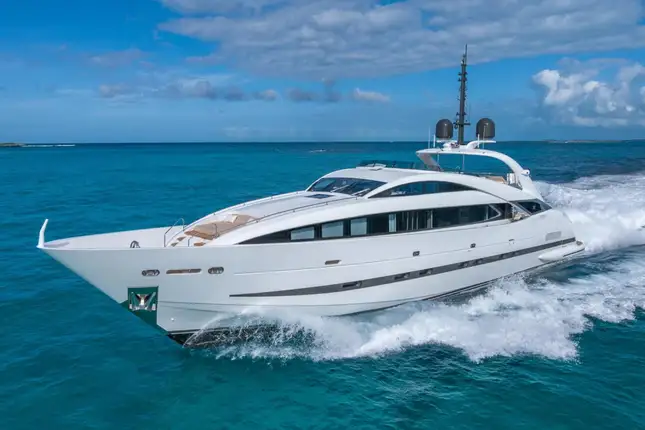
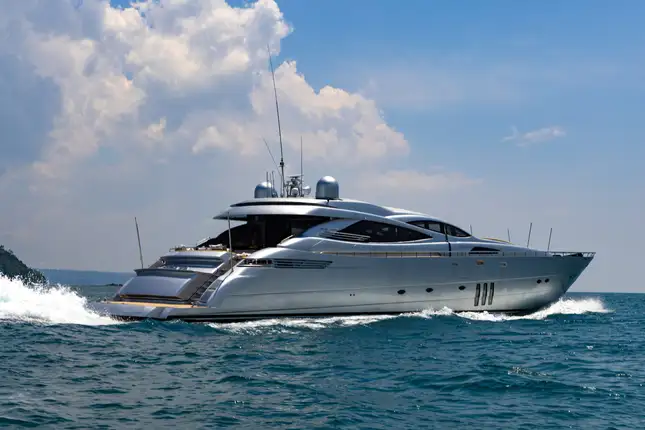
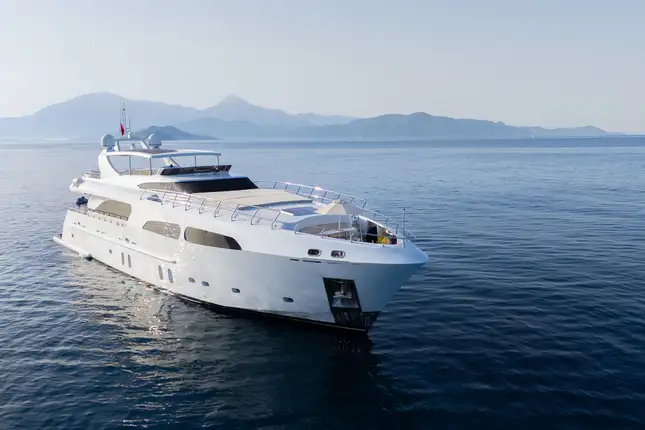
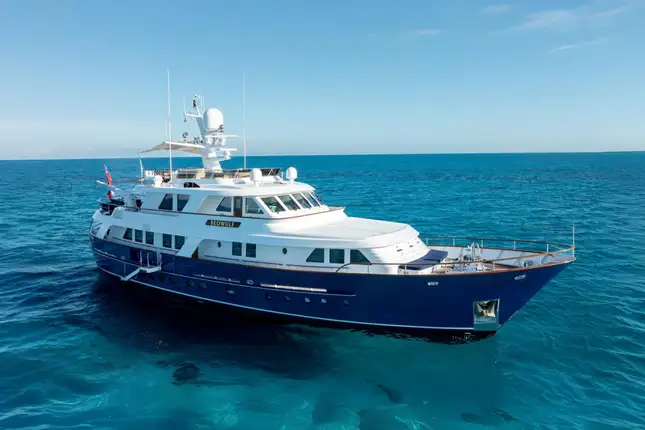
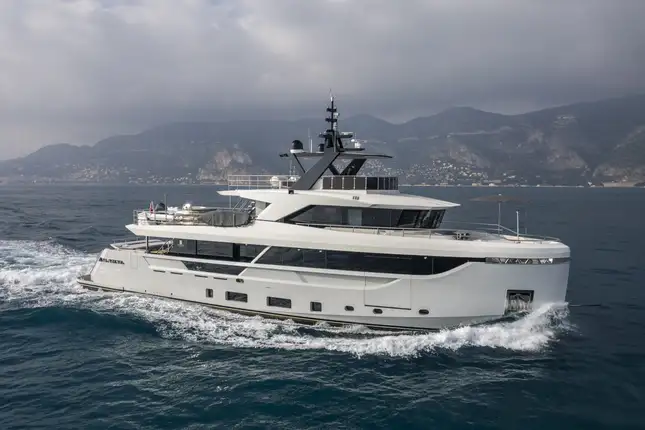
 Further price reduction on SAYONARA

Buying a yacht under 50m: What you need to know
Published 05 outubro 2026
Purchasing a yacht under 50m, often called a semi-custom yacht, offers the perfect balance between personalisation, performance, and practicality. Owners will have an excellent opportunity to customise their vessel to their own tastes, without the extensive time and financial commitment of a fully custom build. These yachts are built on proven platforms by leading shipyards, ensuring high-quality craftsmanship and reliable performance, while offering enough flexibility to make your yacht feel distinctly yours. Whether you’re building new or refitting a second-hand yacht, a semi-custom model allows for considerable customisation, making it a unique expression of your vision.
Why are yachts under 50m so popular?
Yachts under 50m are popular because they offer much of the superyacht experience in a more flexible, manageable package. The semi-custom market gives buyers a wide choice of proven platforms, from fast, sporty yachts designed for quick island hops to family-focused models that make the most of the 500GT threshold, with generous accommodation and sociable deck spaces.
For many owners, one of the biggest advantages is the ability to access a wider variety of marinas and anchorages, including smaller or shallower bays. A yacht under 50m can dock in more intimate, exclusive marinas and explore coastal areas that may be off-limits to yachts over 60m. This freedom opens up a broader range of cruising destinations, allowing for a more adventurous and spontaneous yachting experience.
Operationally, yachts in this size bracket typically require a smaller crew, which can lead to significant savings across staffing, provisioning and maintenance.
That combination of choice, access and lower operational complexity is what makes the under-50m category so appealing: owners can enjoy a highly capable yacht that feels personal and luxurious, while retaining more freedom around cruising plans, berthing options and annual running costs.

What does life on a 30m, 40m or 50m yacht look like?
From 30m to 50m, the experience of superyacht ownership can vary considerably. While all segments offer the freedom to explore by sea, the extra metres bring greater space, amenities and autonomy, while influencing how easily a yacht can access smaller ports and anchorages, how many guests it can accommodate and the level of crew and operational support required.
Understanding these differences can help prospective owners identify the size that best suits how they want to use their yacht – whether that means exploring remote coastlines, entertaining family and friends or spending extended periods on board.
30–40m yachts: agility and versatility
The 30–40m segment is the superyacht industry’s most prolific, accounting for the highest number of deliveries year on year. For many owners, these yachts offer an appealing combination of superyacht capability and agility, with the flexibility to access smaller ports, secluded anchorages and destinations that are less practical for larger vessels.
Life on board is geared towards making the most of that flexibility. With space for comfortable guest accommodation, generous outdoor areas and a range of leisure features, a 30–40m yacht can move easily between long days on the water, lunch ashore and evenings anchored in a secluded bay. Their more compact footprint also makes them well suited to owners looking to explore widely without taking on the operational demands of a larger yacht.
40–50m yachts: superyacht amenities in a more compact footprint
For many new owners, the 40–50m segment represents the ideal introduction to superyacht ownership. These yachts strike an ideal balance between capability and manageability, offering the space, autonomy and versatility associated with much larger vessels while remaining comparatively manageable in terms of operation, crew requirements and cruising flexibility. The result is the full superyacht experience without the increased operational demands of a significantly larger yacht.
For life on board, 40–50m yachts offer a good number of well-sized guest cabins including flexible arrangements – from VIPs to dedicated owner’s areas. Elsewhere, swimming pools, cinema rooms, bars, multiple jacuzzis and even dedicated gym and spa areas can all be found on yachts in this category.

Motor yacht or sailing yacht under 50m?
One of the biggest decisions for anyone on the path to becoming a superyacht owner is deciding what type of boat best suits their needs. From sailing to motor, and catamaran to explorer, the style, size and capability of a yacht is largely dictated by an owner’s lifestyle, preferences and bucket-list cruising grounds.

Why choose a motor yacht?
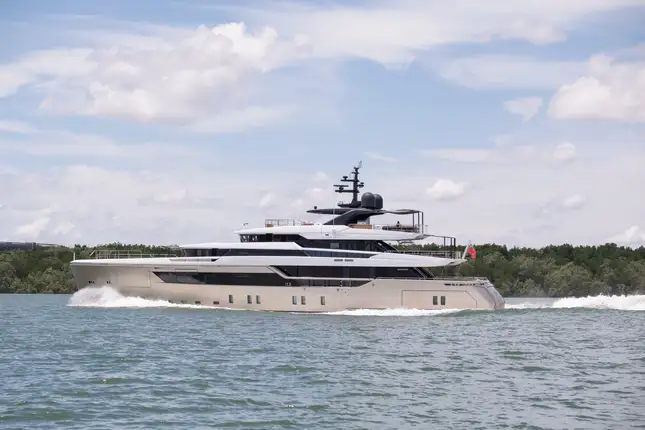
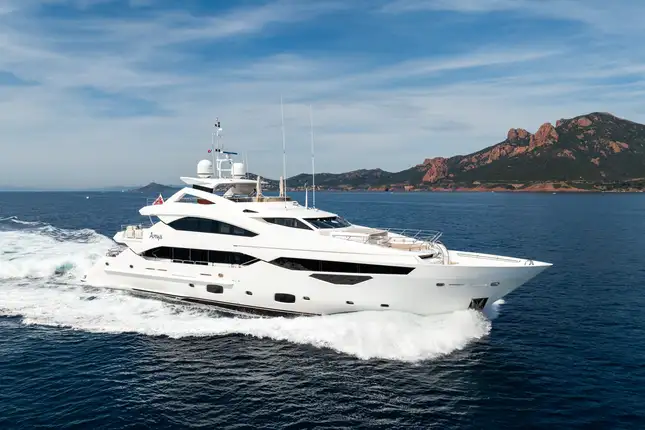
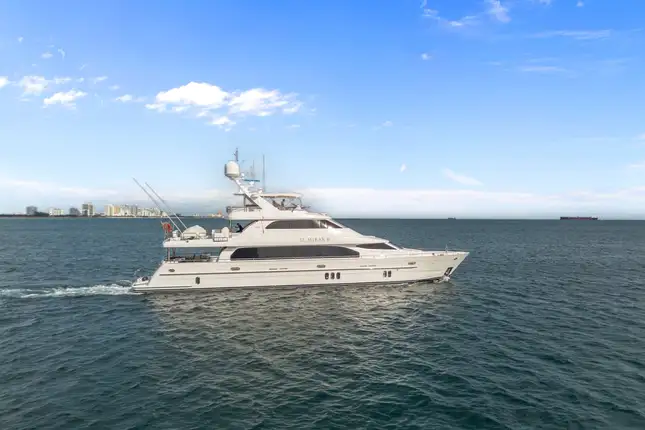
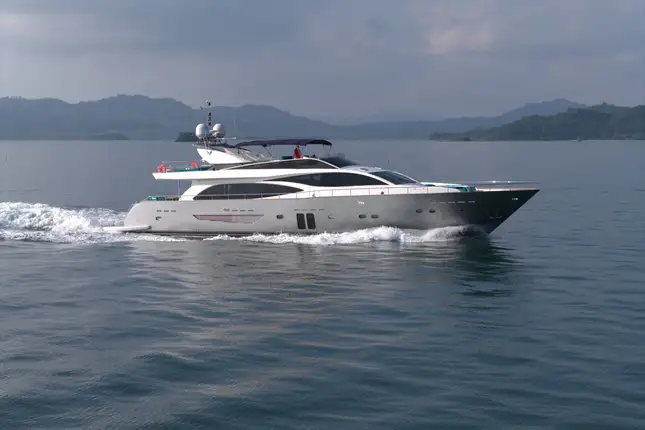
Contemporary motor yachts today will feature zero speed stabilisers as standard to mitigate pitch and roll (and motion sickness), spacious guest accommodation to retreat to at the end of a long day, and wide-open deck spaces with easy access to the water. A lightweight, fast-planing motor yacht can clock speeds in excess of 40 knots, perfect for island hopping, while a full displacement superyacht offers a steady and comfortable cruise. If it’s convenience, comfort and space you’re after, motor yachts are the ticket.

Why choose a sailing yacht?
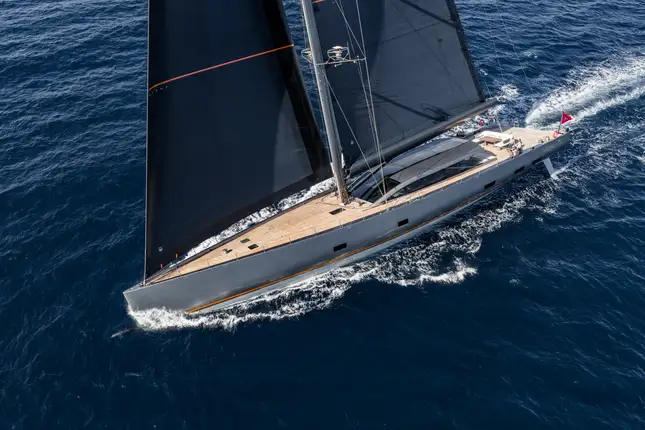
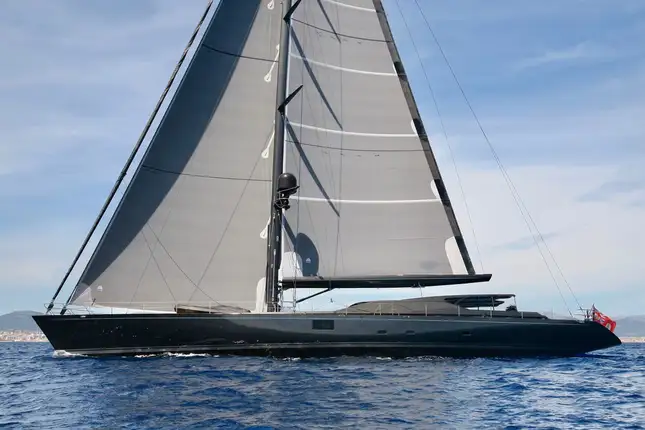
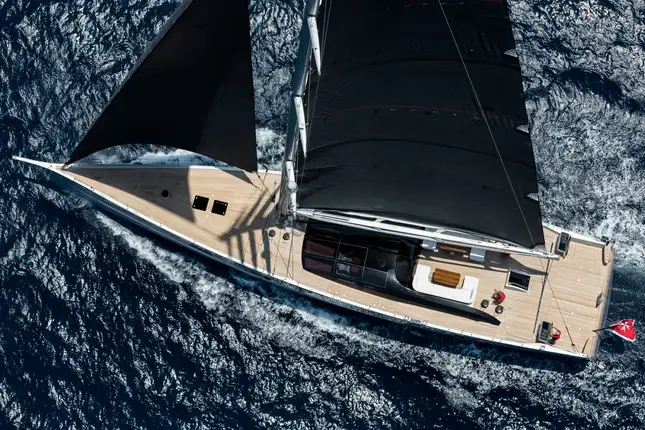
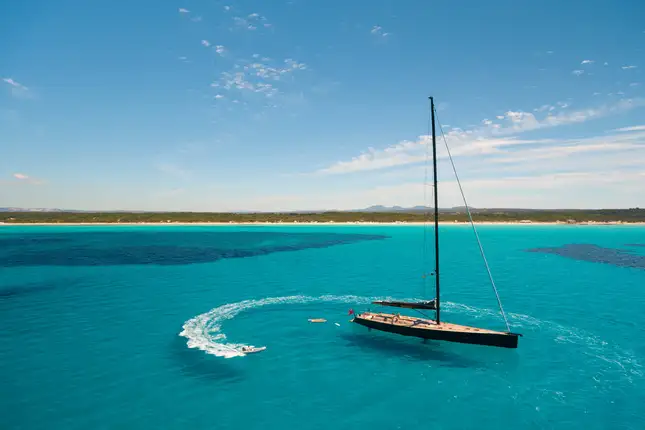
Sailing yachts offer a more immersive, romantic experience, harnessing the power of the wind and creating a deeper connection to the journey itself. And it’s this wind power that allows them to hit the economical sweet spot. It takes a highly skilled crew to operate a sailing superyacht, but the tight knit family ambience typically felt between crew and guests is unmatched. Lifting keels, powered winches and sails that are furled at the touch of a button all contribute to a sailing yacht’s transatlantic capability for epic worldwide voyages, not to mention rapid sailing speeds.
How much does it cost to own a yacht under 50m?
As a rule of thumb, owning a yacht under 50m costs around 10 percent of the yacht’s value each year in running costs, although the exact figure depends on size, age, usage, crew, cruising plans and management requirements.
Fuel is often one of the biggest outgoings, followed by crew whose salaries can range from EUR 2,500 to EUR 25,000+ per month depending on experience, position and the size of your yacht.
Mooring and berthing are also significant costs, usually priced by the length of the yacht and per night. In exclusive destinations like Portofino and Monaco, these can cost north of EUR 5,000 during high season. Provisions for guests and crew should also be factored into the annual budget.
Administration costs – from insurance and compliance to management – vary depending on factors such as size and age of vessel. Burgess has in-house management and insurance teams, so for a tailored breakdown of ownership costs, please get in touch.

What changes when you move up from a smaller yacht?
For those moving up from a boat below 24m, the leap to a semi-custom yacht in the 30-55m range is transformative. In terms of service, your experience goes from handling most aspects yourself to having a dedicated crew that caters to every detail. The cruising possibilities also expand dramatically, with longer range, more on board amenities, and the ability to host more guests comfortably. The jump in size also allows for more sophisticated technology, entertainment systems and toys, turning every voyage into a fully immersive, luxurious experience.

What are the benefits of downsizing from a larger superyacht?
For those considering stepping down in size, moving to a yacht in this range provides a more hands-on ownership experience with significantly lower running costs and simplified maintenance, while still offering all the luxury and performance you’re accustomed to. Far from sacrificing quality or enjoyment, this step down in size can deliver a more intimate and versatile yachting lifestyle.
Can an under-50m yacht be successful on the sales and charter markets?
Semi-custom yachts are highly sought after, making them a solid investment both in terms of resale and charter potential. This size category occupies a significant portion of the brokerage market, ensuring strong resale value should you decide to upgrade or change your fleet in the future.
'Semi-custom yachts are typically easier to sell than fully customised yachts, and the market can provide consistent and predictable asking/sales prices. But we’d also recommend some element of customisation to enhance the yacht's overall value and appeal. This can make your yacht more attractive in the sales market compared to others in the same semi-custom series.' Justin Pierce, Sales Broker, Miami
It’s also a buoyant sector for charter as many clients are looking for yachts that are spacious yet manageable. Whether you're looking for personal use or as a charter business investment, these yachts provide excellent marketability.

What should you consider when buying a yacht under 50m?
Before committing to a yacht under 50m, it is worth defining your intended cruising grounds, preferred guest capacity, appetite for new-build versus brokerage options, annual running-cost budget, crew requirements and likely resale or charter ambitions. These considerations will help determine whether a fast-planing, displacement, explorer or sailing yacht is the best fit.
The best route into yacht ownership is to start by speaking to an experienced broker. They will take time to understand your motivations for buying, how you plan to use the yacht, where you want to travel and what you expect from life on board. From there, they can help narrow the search by size, layout, build type and facilities, so every option reflects your lifestyle as well as your budget.
Our brokers consistently advise buyers to start with how they intend to use the yacht. As Kevin Kramer explains, ‘a client should ask themselves what is most important to them when they consider how the yacht is to be operated. Do you value a sleek, open style design with limited layout options, or would you prefer a displacement yacht with a larger volume and more expansive deck areas?’
Boat shows are a useful way to step on board a wide variety of yachts and get a clearer sense of what suits you. Burgess experts from across the business can arrange private tours of yachts that match your requirements and answer questions about the practical differences between chartering and buying.
Once you have your yacht, you will also need the right support to manage it, from technical operations and crew recruitment to payroll, insurance and compliance. Working with a broker such as Burgess, with a full suite of in-house services, keeps that expertise under one roof and avoids the need to source separate providers.
'Most buyers in the 30-50m semi-custom range will be either first-time buyers or owners of smaller boats. It is very important to understand that purchasing a yacht of this size can be complex. Although it may feel like buying a series or production yacht, there are many technical aspects that need to be considered, which is why it is so important to be supported by an experienced and trustworthy broker. The right broker will help you find the right yacht, save you money on the purchase, protect future resale value and remove potential headaches or disappointments if you are not be properly informed before buying.' Thibault Roi, Sales Broker, Monaco
Yachts under 50m currently for sale with Burgess
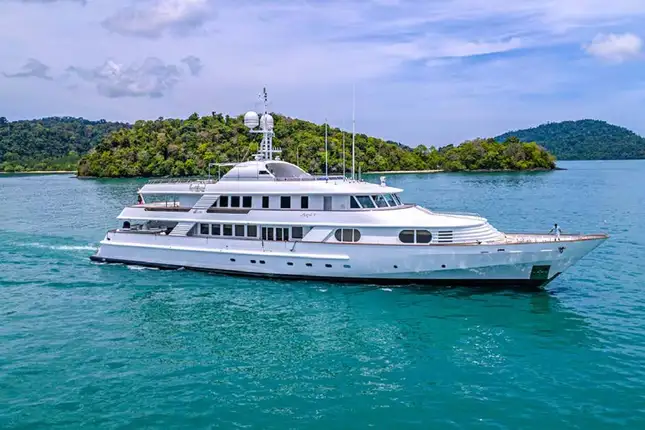
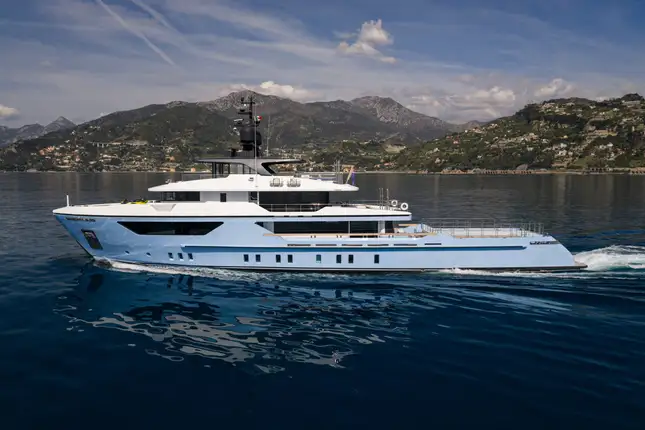
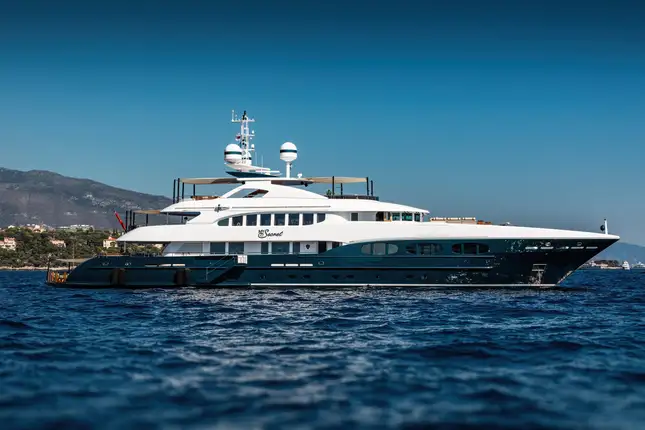
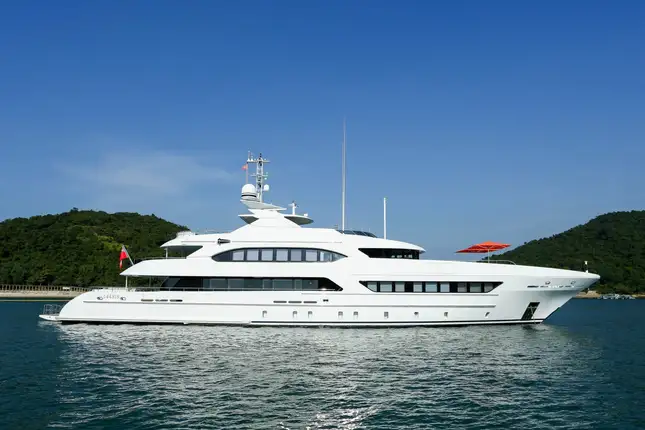
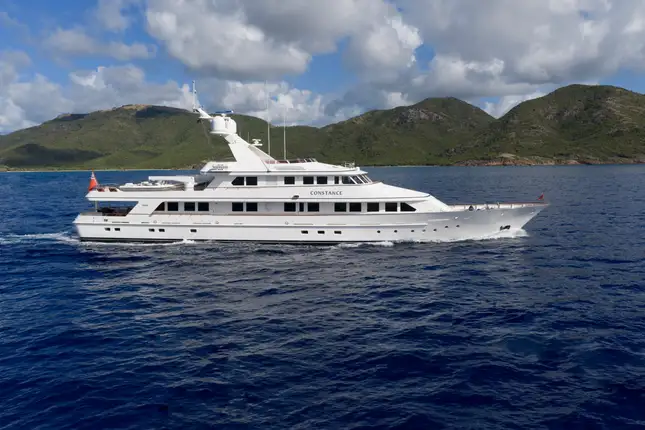
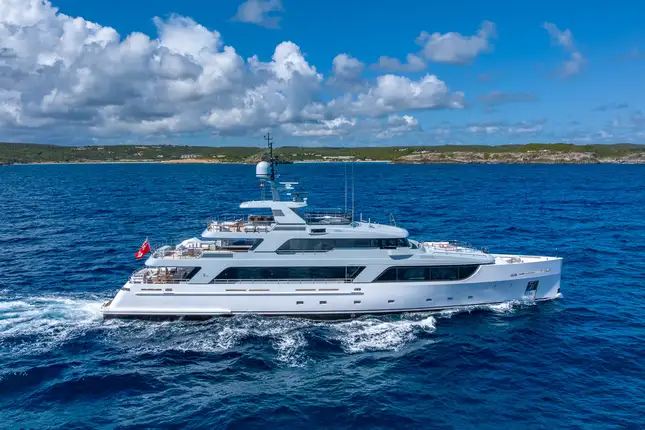
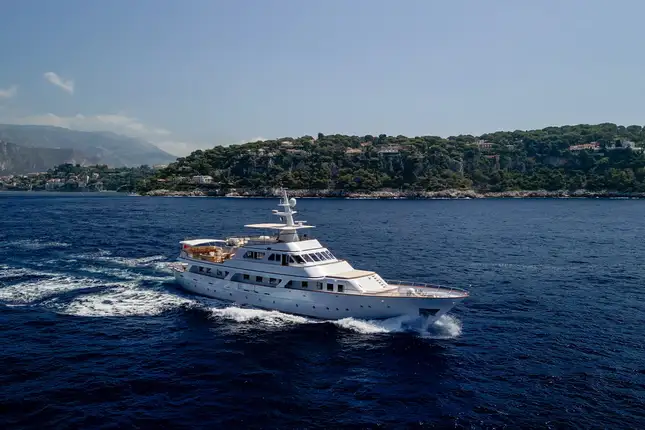
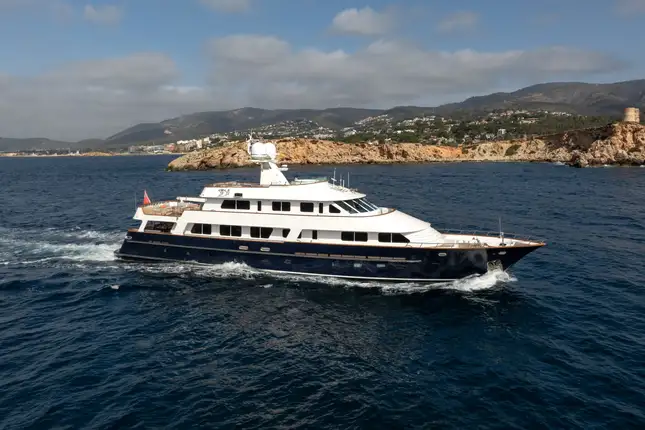
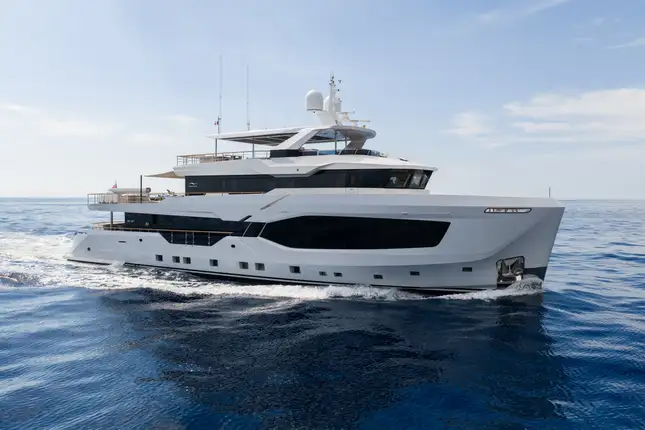
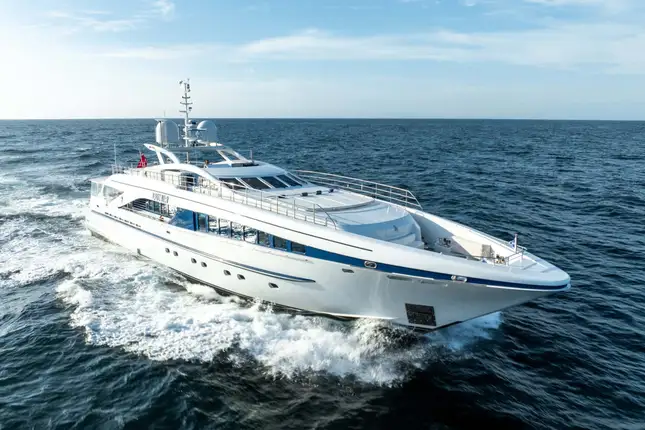
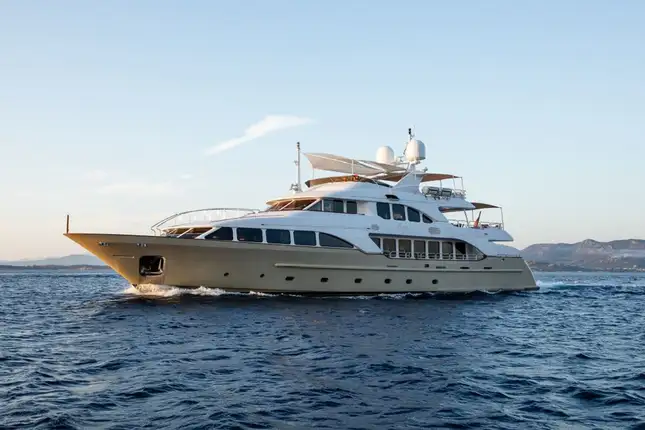
There is an incredible range of yachts under 50 metres. Some boast excellent wellness areas, some are fast and suitable for those looking to cover more distance, while others have space for entertaining in spades. Whatever you're after, we'll have something perfectly suited to you.

BIG ARON
USD 5 500 000
- Length: 46,6m (153ft)
- 10 guests in 5 cabins
- Built: 2004, Royal Denship, Denmark
Find the yacht that fits your lifestyle with the help of the Burgess team
Whether building or buying, a sub-50m – or semi-custom – superyacht is a gateway to the modern luxury lifestyle, offering flexibility and unparalleled enjoyment on the water.
Start your journey with your Burgess broker and discover a yacht tailored to your preferences, equipped with spaces like beach clubs that ensure life on the water is as relaxing or entertaining as you desire.
Frequently asked questions
What is considered a sub-50m yacht?
A sub-50m yacht is a luxury vessel with an overall length under 50 metres (164ft), typically sitting in the 30m to 49m (98ft to 160ft) sweet spot of the superyacht market.
Is a 40m yacht a superyacht?
Yes, a 40m yacht is definitely considered a superyacht – something we’d define as any luxury yacht (motor or sailing) that measures above 24 metres, although there is no fixed rule on size.
How many guests can stay on a 40m yacht?
40m yachts generally accommodate up to 12 guests, which is the legal passenger limit before stricter commercial passenger yacht rules apply.
How many crew does a 40m yacht need?
A 40m yacht is usually run by a compact, professional crew of between eight and 10.
What is the difference between a 40m and 50m yacht?
The main differences between a 40m and a 50m yacht are the internal volume, regulatory thresholds, crew requirements and overall operational costs. A 40m yacht typically measures under 500GT, with three or four decks designed to accommodate up to 12 guests. A 50m yacht may hit the 500GT threshold (but not necessarily) which brings with it additional regulations and crew needs, but they often provide a wider beam and an extra deck for an increased interior volume and additional on board amenities.
What are the advantages of owning a smaller superyacht?
Owning a smaller superyacht offers greater operational flexibility, lower maintenance costs and a more intimate experience.
Is a yacht under 50m easier to operate?
Yes, yachts under 50m are significantly easier to operate. They avoid heavier regulations than their 500GT+ counterparts, a leaner staffing arrangement and are able to move about with greater agility and access smaller, exclusive bays and cruising grounds thanks for shallower drafts.
What should a first-time yacht buyer look for?
A first-time buyer should look for something that matches both their requirements and their capacity. Going too large straightaway can be operationally overwhelming, so choosing a vessel between 30–50m allows you to enjoy brilliant amenities and space, yet at a much more manageable size. A first-time yacht buyer should also roughly budget what they can afford to spend per year on running costs, as the price of ownership doesn’t end with the sale. But the first thing a first-time yacht buyer should do is get a broker who can help them navigate the market, present yacht selections, and deal with paperwork and any negotiations.
To find out more about Burgess’ yachts for sale and yachts for charter, please contact a Burgess broker. Alternatively, get in touch with one of our offices directly: London, Monaco, New York, Miami, Singapore or all other locations.
Yachts, prices and availability are correct at the time of publication.
Categories
 EBYSHINE price reduction
 40m VESPER for sale
 Fort Lauderdale International Boat Show
 Dubai International Boat Show

